Documentation
What a condition photograph should show
A beautiful photograph and a useful condition record can be the same image, but they serve different purposes. A record needs enough context for another person to understand what is being compared.
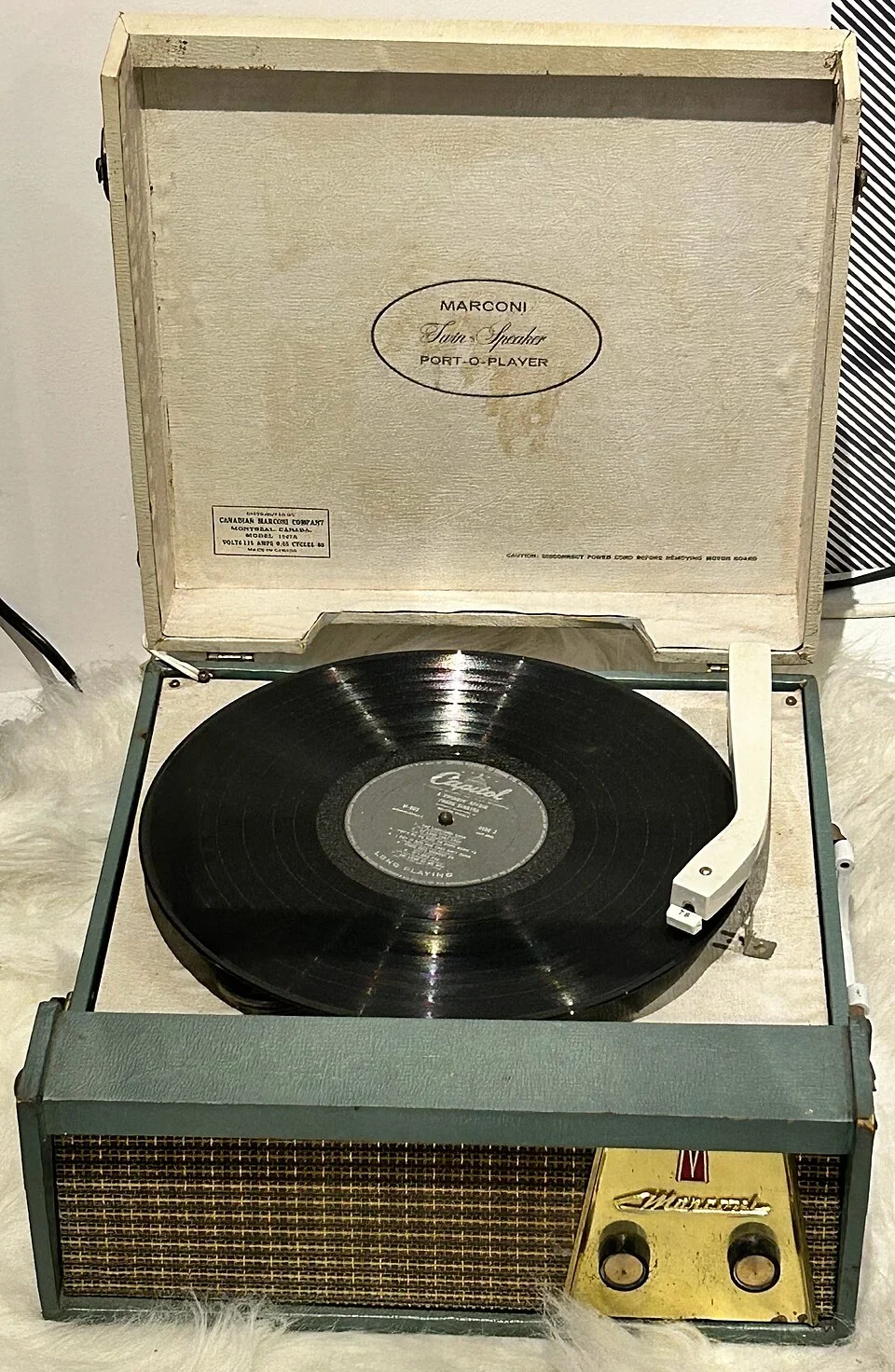
Start with identification
Assign a consistent identifier in your own notes, and keep the date and view description with the file. The goal is not to imitate a museum accession system but to prevent two objects or two views from becoming confused. An overall view establishes context; a detail view records the area that prompted the note.
Make comparisons possible
CCI’s preventive guidance emphasizes recognizing risks and changes before avoidable damage occurs. For a photographic record, stable lighting, distance and orientation make later comparisons easier. A shadow can resemble a crack, and a highlight can conceal a surface. Record those limits instead of presenting a dramatic image as a diagnosis.
Keep originals and explanations
Retain an unedited original and describe any crop or adjustment used in a working copy. Do not silently erase a label, repair or stain. A clear note can distinguish an observed mark from an interpretation of its cause. The record supports assessment; it does not replace specialist identification or treatment.
Read the primary sources
The explanation above is independently written. Sources support the factual foundations; examples and learning prompts are this publication’s own.